


Lucky Spin Joy
4.095.00 Reviews
App Specs
- Version
- 2.0.9
- Updated On
- License
- Free
- Downloads
- 10,000+
- Developer
- Zhuoyu Jee Limited
- Categories
- Casual
- Platform
- Android
Screenshots
 Analysis by AppCompare
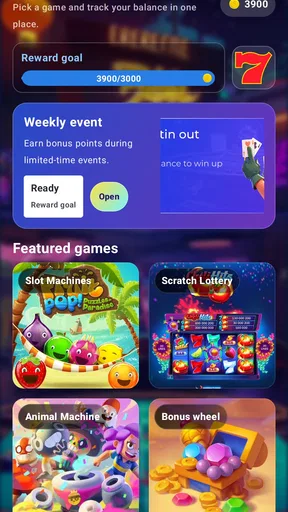
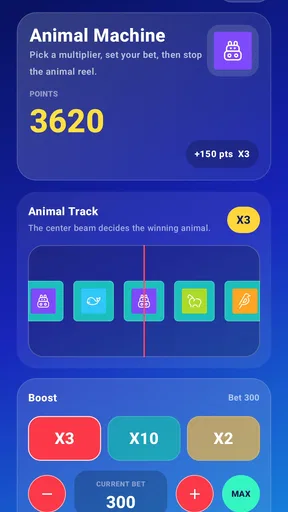
When I opened Lucky Spin Joy, I found a bright, casual game lobby built around quick bursts of play rather than a long story or a demanding campaign. The screen brings together slot-style play, scratch cards, and lucky bonus wheels, so the main appeal is variety within a simple, colorful space. I could move from one activity to another without needing to learn a complicated control system, which makes the game approachable for a first-time player.
That simplicity is also the key to understanding the experience. This is not the sort of game I would choose for deep strategy, character development, or a carefully structured adventure. It is better suited to short sessions when I want something light and immediately understandable. The game is free, belongs to the casual category, and is listed for Everyone 10+, so it is positioned as an easygoing entertainment option rather than a specialist gaming experience.
What the first session feels like
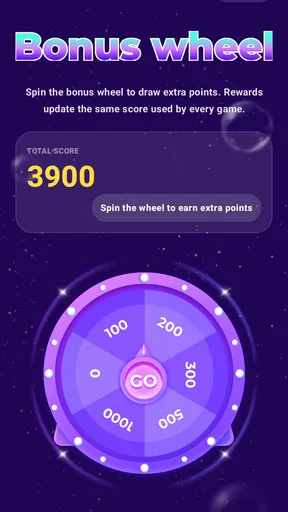
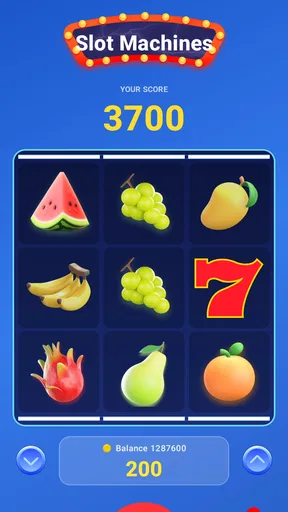
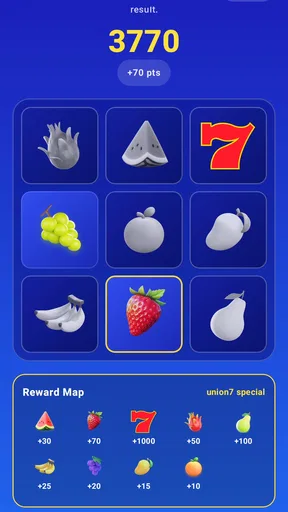
The lobby is the central idea. Instead of asking me to commit to one activity, it presents several familiar chance-based formats in one place. Slots offer the most recognizable starting point, scratch cards provide a different rhythm, and the bonus wheel adds a quick decision point when I want an especially short interaction. That mixture helps prevent the opening minutes from feeling completely repetitive, although the underlying activities remain intentionally simple.
I would describe the visual style as cheerful and attention-grabbing. The colors and game-show-like presentation make the lobby feel more energetic than a plain menu, but the presentation does not turn it into a complex simulation. The best way to approach it is to treat each activity as a small diversion. I would not install it expecting a large world to explore; I would install it because the idea of switching between compact mini-games sounds relaxing.
The current version is 2.0.9, and the game is made by Zhuoyu Jee Limited. It has reached over ten thousand installs and holds a four-point average from roughly four hundred seventy-five ratings, with about ninety-five written reviews. Those figures suggest that it has found a modest audience, while also making it sensible to keep expectations realistic: this is a small casual title, not a major social gaming platform.
One useful way to think about the experience is as a digital break between other tasks. If I have a few minutes while waiting for an appointment or taking a short pause from work, the lobby gives me an immediate activity. The short format means I do not have to remember a complicated objective after closing the game. That convenience is one of its strongest qualities for people who prefer low-pressure play.
Who will enjoy the format
I think the game is a good fit for players who like colorful interfaces, familiar casino-inspired mini-games, and quick interactions. It can also work for someone who does not usually play games but wants something that can be understood without reading a long tutorial. The age rating of Everyone 10+ makes it more appropriate for that broad casual audience than many action-oriented games, although younger players should still use it with the same supervision and judgment applied to any game built around chance-like mechanics.
Worth Reading Before You Choose

Flipboard Shows What News Apps Must Do Beyond the Feed

Switching to Android Auto Means Rethinking Your Driving Routine

Google Calendar Makes a Crowded Week Easier to Manage

Ludo King Makes the Most of the Minutes Between Plans

Baby Panda World Brings Quick Play to Modern Phones, but Its Game Library Feels Busy

ESPN’s Live Game View Makes Following Close Games Easier
On the other hand, I would skip it if I wanted meaningful progression, competitive matchmaking, a story, or a skill-based challenge where careful practice reliably improves results. The slot, scratch-card, and wheel formats are designed around anticipation and luck. A player who dislikes waiting for random outcomes may quickly find the loop thin, even if the presentation is attractive.
Getting started without wasting the opening minutes
The first setup is refreshingly straightforward from a gameplay perspective. I would begin by looking around the lobby instead of immediately tapping every colorful button. The important first task is simply to identify the three main activity types and notice how the game presents the route back to the lobby. That small pause makes the rest of the session easier because I know where to return after trying one option.
For a first-time user, I recommend starting with the activity whose result is easiest to read at a glance. Scratch cards are a natural introduction because the action is direct: reveal the card, observe the result, and decide whether to continue exploring. The wheel is useful when I want an even shorter interaction, while the slots are better saved for when I am comfortable with the lobby and want a more familiar repeating sequence.
My practical advice is to avoid treating the first few taps as a test of skill. There is no reason to rush or assume that a particular button is automatically the best choice. Instead, use the opening session to learn the visual language of the game: which screen shows the result, which control returns to the lobby, and how clearly the game separates one activity from another. This is more helpful than trying to optimize an outcome I cannot control.
A second useful habit is to keep the first session deliberately short. Because the activities are designed for quick play, it is easy to continue tapping simply because the next round is immediately available. I found it more informative to try one round in each area and then decide which format I actually enjoyed. That comparison reveals whether the game’s variety is meaningful for me or merely three versions of the same basic loop.
The game is free, which removes the usual purchase decision at installation. Even so, I would approach any chance-based presentation with a clear personal limit on time and spending if the platform ever presents optional transactions. The free entry makes experimentation easy, but it should not encourage automatic, unthinking play. The most satisfying use is to treat the game as entertainment with a stopping point, not as a way to chase a particular result.
Finding the first satisfying result
The first meaningful success does not need to be a spectacular outcome. For me, it is the moment when the lobby stops feeling like a collection of bright buttons and starts feeling easy to navigate. I would choose one activity, complete its basic action, read the result, and return to the lobby without rushing. Once that sequence feels comfortable, the game becomes much less intimidating for someone unfamiliar with this type of app.
Scratch cards are especially useful for this first milestone because they make the action visible and immediate. The wheel can then show how the game handles a single quick tap and a result screen. After that, slots provide a chance to settle into the most repetitive option. Trying them in this order creates a gentle progression from direct interaction to a more extended anticipation loop.
One non-obvious benefit of rotating between the activities is that it helps me judge my own preference before spending too much time in one mode. Some players may enjoy the reveal of a scratch card, while others may prefer the visual movement of slots or the one-action simplicity of the wheel. The lobby is most useful when I treat it as a selector for different moods, not as a demand to complete every available activity.
I also recommend paying attention to how you feel after a result rather than only whether it is favorable. If a win makes the session feel playful, the game may suit occasional use. If a disappointing result makes you immediately want to repeat the action just to reverse it, that is a good signal to pause. This is a practical boundary that matters more than any individual round, especially in a game whose appeal depends on anticipation.
For an everyday scenario, imagine waiting for a meal pickup with only a few spare minutes. I would open the lobby, use the wheel for a very brief interaction, and close the game after checking the result. If I had a longer break, I might try a scratch card and one slot session, then stop rather than letting the available choices decide how long I remain in the app. That approach keeps the game in the role of a small diversion.
Where new players may feel confused
The biggest possible source of confusion is the difference between visual excitement and actual depth. The lobby looks busy because several activities are presented together, but that does not mean there is a complex system to master behind them. A new player may spend time searching for a hidden strategy when the intended experience is much more immediate. Once I accepted that, the game became easier to judge on its real strengths: accessibility, variety, and quick feedback.
Another point to keep in mind is that the three formats can feel more similar than they first appear. Scratch cards, wheels, and slots use different gestures and visual presentations, but they all center on waiting for an outcome. If I play them continuously for a long period, the novelty of switching screens can fade. The game works better in short visits than in extended sessions where I expect each activity to develop in a different direction.
The colorful design may also make it difficult to know which element deserves attention first. My solution is to ignore decorative prompts during the opening minute and focus on the central action of the selected activity. I look for the control that begins the round, complete that action, and then identify the result screen before moving anywhere else. This simple workflow reduces accidental taps and gives me a clearer sense of what the game is asking me to do.
Players who are used to skill-based casual games should adjust their expectations. In a puzzle game, I can often improve through planning; in a reflex game, practice can make me faster. Here, the entertainment comes more from the reveal than from mastering a technique. That does not make the game pointless, but it changes the reason to play. I would recommend it for a player who enjoys light suspense, not for someone looking for a demanding test.
The age guidance is also worth taking seriously. Even though the game is presented as casual and suitable for Everyone 10+, its slots, scratch cards, and wheel are still chance-themed activities. I would be comfortable describing it as a game for brief, supervised entertainment where appropriate, but I would not frame it as a learning tool or hand it over without context to a child who may not understand the difference between in-game play and real-world gambling.
There is a similar distinction between free access and unlimited value. Being free makes it easy to try, but it does not guarantee that every player will find the loop rewarding over time. If the first few sessions leave me wanting a clearer goal, a stronger sense of progress, or more control over outcomes, that is not a problem I can solve by tapping faster. It simply means this particular format may not match what I want from a game.
How it compares with other casual choices
Compared with a typical puzzle game, Lucky Spin Joy asks less of my attention but also gives me less control. I do not need to plan several moves ahead, yet I also do not get the same satisfaction that comes from solving a difficult board. Compared with a reflex game, it is calmer and easier to play one-handed, but it lacks the feeling of improving through repeated practice. The choice depends on whether I want agency or relaxation in that moment.
Compared with a single-mode slot-style game, the lobby has a clear advantage: I can change the type of interaction without leaving the same app. That makes it more convenient when I enjoy the general theme but grow tired of one format. The trade-off is that none of the individual activities feels as focused as a dedicated game built around only one mechanic. Variety is the benefit, while depth is the likely compromise.
It also differs from collection-based casual games, where daily tasks, upgrades, or characters provide a reason to return. Here, the immediate activity is the main attraction. I would choose this title when I want to open something and play quickly, not when I want a long-term project that remembers a detailed personal journey. That distinction should help prevent disappointment after installation.
For someone deciding between this and a standard card or board game, I would ask a simple question: do you want a predictable rule set or a colorful result-driven experience? Traditional games usually reward decisions and offer clearer ways to influence the outcome. This one is more about the atmosphere of the lobby and the anticipation of each reveal. Neither approach is automatically better, but they satisfy different moods.
Making the next sessions more enjoyable
After the first successful action, I would create a small personal routine rather than playing every option automatically. For example, I might use the wheel when I have less than a minute, choose a scratch card when I want a single focused interaction, and open the slots only when I am comfortable spending a little longer in the lobby. This gives each mode a purpose and prevents the session from becoming aimless tapping.
A useful advanced habit is to compare sessions by enjoyment rather than by outcome. If I only remember whether I received a favorable result, I may keep returning for the wrong reason. Instead, I ask which activity felt clearest, which one became repetitive first, and whether I was still having fun before starting another round. Those answers tell me when the game is serving as a pleasant break and when it has turned into automatic repetition.
I would also keep notifications and interruptions from controlling my play whenever the device allows it. The game is most comfortable when I open it because I have chosen to take a break, not because a visual prompt has pulled me back in at an inconvenient moment. This is especially important for a title built around quick rewards and colorful feedback. A deliberate start and a deliberate stop make the experience feel more manageable.
Players wondering whether the game is suitable for older devices should note that it requires Android 8.0 or later. That makes the compatibility threshold fairly accessible for Android users with supported software, but the practical experience can still depend on the individual device and operating environment. I would check the system version before installing and then judge the game by how comfortably the lobby responds on my own phone rather than assuming every device will feel identical.
If I were recommending it to a friend, I would explain the appeal honestly: it is a free casual lobby for slots, scratch cards, and bonus-wheel play, with a bright presentation and a low learning curve. I would also explain the limitation just as clearly: the activities are chance-oriented and may not provide enough depth for long sessions. That description gives a friend a useful expectation before downloading instead of promising a kind of gameplay the title does not aim to deliver.
My final view is that Lucky Spin Joy succeeds best as a compact, colorful time-filler. The first-time path is simple: open the lobby, try the scratch-card interaction, sample the wheel, and then decide whether the slots add enough variety for you. The game is not the right choice for strategic progression or competitive mastery, but it can be a pleasant option when I want immediate play with very little setup.
With an average rating of four points and a growing audience, it has enough interest to justify trying if this style appeals to you. I would keep the sessions intentional, remember that the outcomes are built around luck, and stop when the entertainment fades. Used that way, Lucky Spin Joy offers a straightforward casual experience whose strongest feature is not complexity, but the convenience of several quick activities gathered in one cheerful lobby.
Pros
- Simple spin-based gameplay that is easy to understand.
- Bright visuals and cheerful sound effects create a playful atmosphere.
- Quick rounds make it suitable for short gaming sessions.
- Rewards and bonuses add variety to repeated spins.
- Runs well for casual players looking for low-effort entertainment.
Cons
- Gameplay can become repetitive after extended play.
- Frequent ads may interrupt the experience between rounds.
- Progress may depend heavily on luck rather than player skill.
- Some rewards can require patience or repeated daily play.
- In-app purchases may appeal to players seeking faster progress.
FAQs for Lucky Spin Joy
What is Lucky Spin Joy and how does it work?
Lucky Spin Joy is a casual spin-and-reward game built around virtual wheels, bonus rounds, and chance-based challenges. After opening the app, you can usually spin available wheels, collect in-game rewards, and use those rewards to unlock additional features or attempts. The experience is designed primarily for entertainment, so results are random and progress may depend on daily limits, advertisements, or optional purchases.
Is Lucky Spin Joy free to download and play?
Lucky Spin Joy can generally be downloaded and played without an upfront payment, although the exact availability of free spins and rewards may vary. The app may display advertisements and offer optional in-app purchases for extra attempts, virtual items, or faster progress. Before spending money, check the store listing and the in-game payment information carefully, since virtual rewards normally have no cash value.
Can I win real money or withdraw rewards from Lucky Spin Joy?
You should not assume that spins in Lucky Spin Joy provide real-money winnings. In most cases, the rewards are virtual points, coins, tickets, or bonuses intended for use inside the app. If the application advertises withdrawals or external rewards, review the eligibility rules, minimum thresholds, regional restrictions, and verification requirements first. Never provide payment details solely to unlock a promised prize.
Does Lucky Spin Joy require an internet connection or personal account?
An internet connection may be required for important functions such as loading advertisements, synchronizing progress, receiving daily bonuses, updating reward balances, or accessing promotional events. The app may also request an account, social login, or other permissions depending on the version installed. Before continuing, review the requested permissions and privacy policy, and avoid granting access that is unrelated to the game’s basic features.
Is Lucky Spin Joy safe for children and suitable for all users?
Lucky Spin Joy may be easy to understand, but its chance-based spinning mechanics, advertisements, and optional purchases mean it is not automatically suitable for every child. Parents should check the age rating, privacy practices, advertising content, and purchase controls on the device. If younger users play, enable parental restrictions and explain that virtual spins are entertainment rather than a reliable way to earn money or prizes.


